
Bariatric surgery
Bariatric surgery in Turkey: your options explained
Bariatric surgery — also called weight loss surgery — changes the anatomy of the stomach, and in some procedures the small intestine, to reduce how much you can eat and how hungry you feel. At NewMe Obesity Clinic in Antalya, every procedure is performed by Prof Dr Nurullah Bulbuller or Dr Mani Habibi, IFSO-member surgeons with more than 18,000 bariatric operations between them.
Compare your options
Bariatric procedures compared
The table below summarises the four routes we offer. Every recommendation is made only after a full metabolic assessment.
| Procedure | How it works | Typical weight loss | Best suited for | Stay in Antalya |
|---|---|---|---|---|
| Gastric Sleeve | Around 75–80% of the stomach is removed, reducing capacity and hunger hormone (ghrelin) production. | 60–70% of excess weight in 12–24 months | Most patients with BMI 35–50 seeking a proven, anatomy-preserving procedure | 6–7 nights |
| Gastric Bypass | A small stomach pouch is connected directly to the small intestine (Roux-en-Y or mini bypass). | 70–80% of excess weight in 12–24 months | Patients with type 2 diabetes, severe reflux, or very high BMI | 6–7 nights |
| Revision Surgery | Converts or repairs a previous bariatric procedure — e.g. sleeve-to-bypass conversion. | Assessed case by case | Weight regain or complications after previous surgery, in Turkey or the UK | 6–8 nights |
| Gastric Balloon | A balloon is placed in the stomach (endoscopic or swallowable) for 4–12 months — no surgery. | 10–15% of total body weight | Mild to moderate obesity (BMI 27–35), or patients not ready for surgery | 2–3 nights |
Outcome figures reflect published clinical ranges; individual results vary and depend on following the nutrition and follow-up programme.
Eligibility
Who qualifies for weight loss surgery?
We follow the same criteria used by NICE in the UK and by international bariatric guidelines. Surgery is generally considered if you are an adult and:
- Your BMI is 40 or above, or
- Your BMI is 35–40 with an obesity-related condition such as type 2 diabetes, high blood pressure or sleep apnoea, and
- You've tried structured weight loss approaches without lasting results, and
- You're ready to commit to the nutrition and follow-up programme after surgery.
Not sure where you fall? Send us your height, weight and medical history — our surgeons will tell you honestly whether surgery is right for you, and which one. If it isn't, we'll say so.
Safety
How safe is bariatric surgery in Turkey?
Safety depends on the surgeon and the hospital, not the country. In experienced bariatric centres, published mortality rates are below 0.1% — comparable to gallbladder surgery. What makes the difference is surgeon volume, anaesthetic expertise, and what happens if a complication occurs.
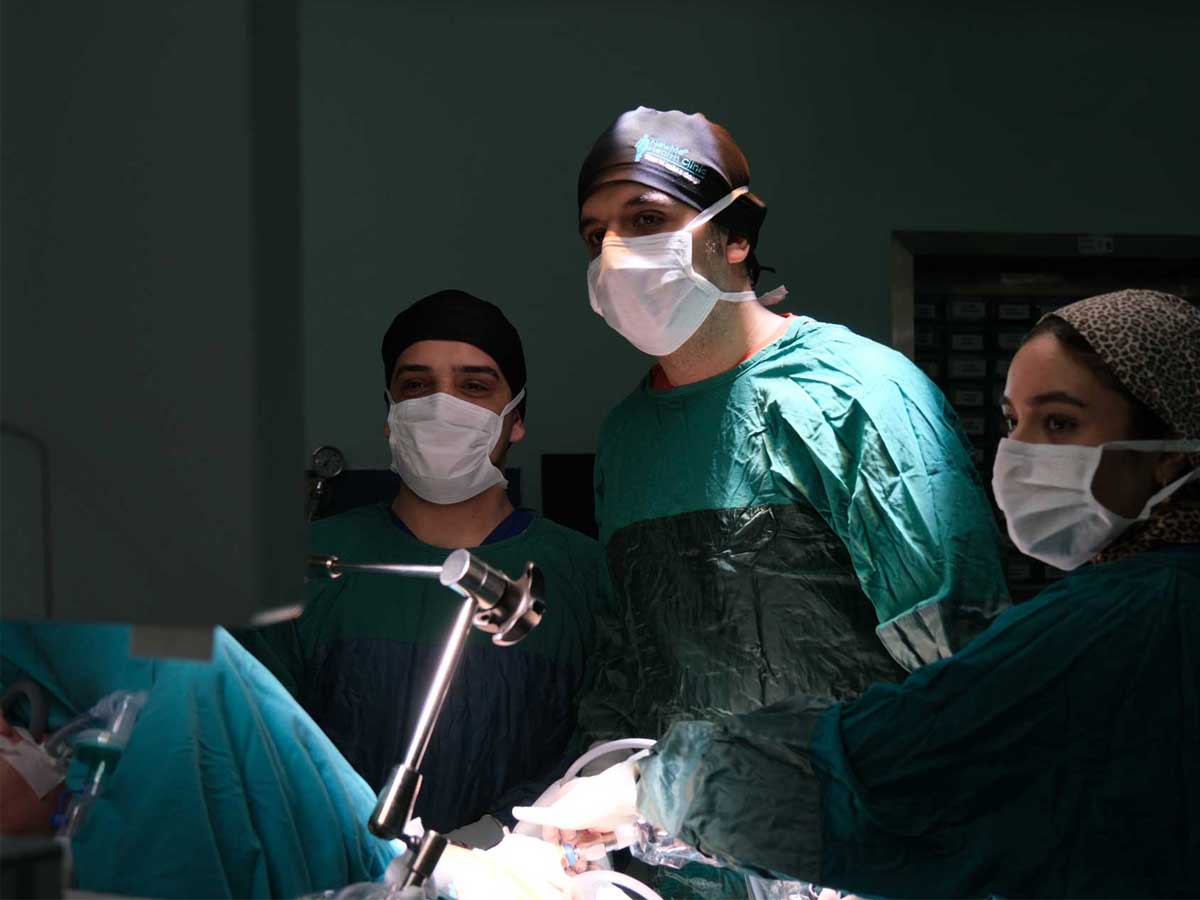
At NewMe Obesity Clinic, your operation is performed in a fully equipped private hospital with an intensive care unit on site, by a professor of surgery or a fellowship-trained bariatric surgeon whose published research focuses specifically on preventing and managing the complications of weight loss surgery — from staple-line reinforcement to safe laparoscopic access in patients with obesity.
18,000+ procedures
Surgeon volume is the strongest predictor of bariatric safety in published research.
ICU on site
Full private hospital infrastructure — not a day clinic.
Research-led protocols
Our surgeons publish on bariatric safety; those findings shape how we operate.
Common questions
Frequently asked questions
Which is better: gastric sleeve or gastric bypass?
Neither is universally better — they suit different patients. The sleeve is simpler, preserves normal digestive anatomy and suits most patients with a BMI of 35–50. Bypass typically produces slightly greater weight loss and stronger remission of type 2 diabetes and reflux. The right choice depends on a full metabolic assessment — which is exactly what your free consultation is for.
Who qualifies for weight loss surgery?
Generally: adults with a BMI of 40+, or 35–40 with an obesity-related condition such as type 2 diabetes, high blood pressure or sleep apnoea. Every patient is individually assessed by a surgeon before any procedure is confirmed.
How long do I need to stay in Turkey?
Most patients stay 6–7 nights: 3–4 nights in hospital and 2–3 nights in a hotel before flying home. Gastric balloon patients usually stay 2–3 nights in total.
How much weight will I lose?
Published outcomes: typically 60–70% of excess weight after a sleeve and 70–80% after a bypass within 12–24 months, combined with the nutrition and follow-up programme. A balloon typically produces 10–15% total body weight loss. Individual results vary.
Get started
Find out which procedure is right for you
Send your height, weight and medical history — our surgical team will review your case and recommend a path, free and without obligation.