NewMe Obesity Clinic · Antalya
Surgeon-led weight loss surgery in Antalya, Turkey
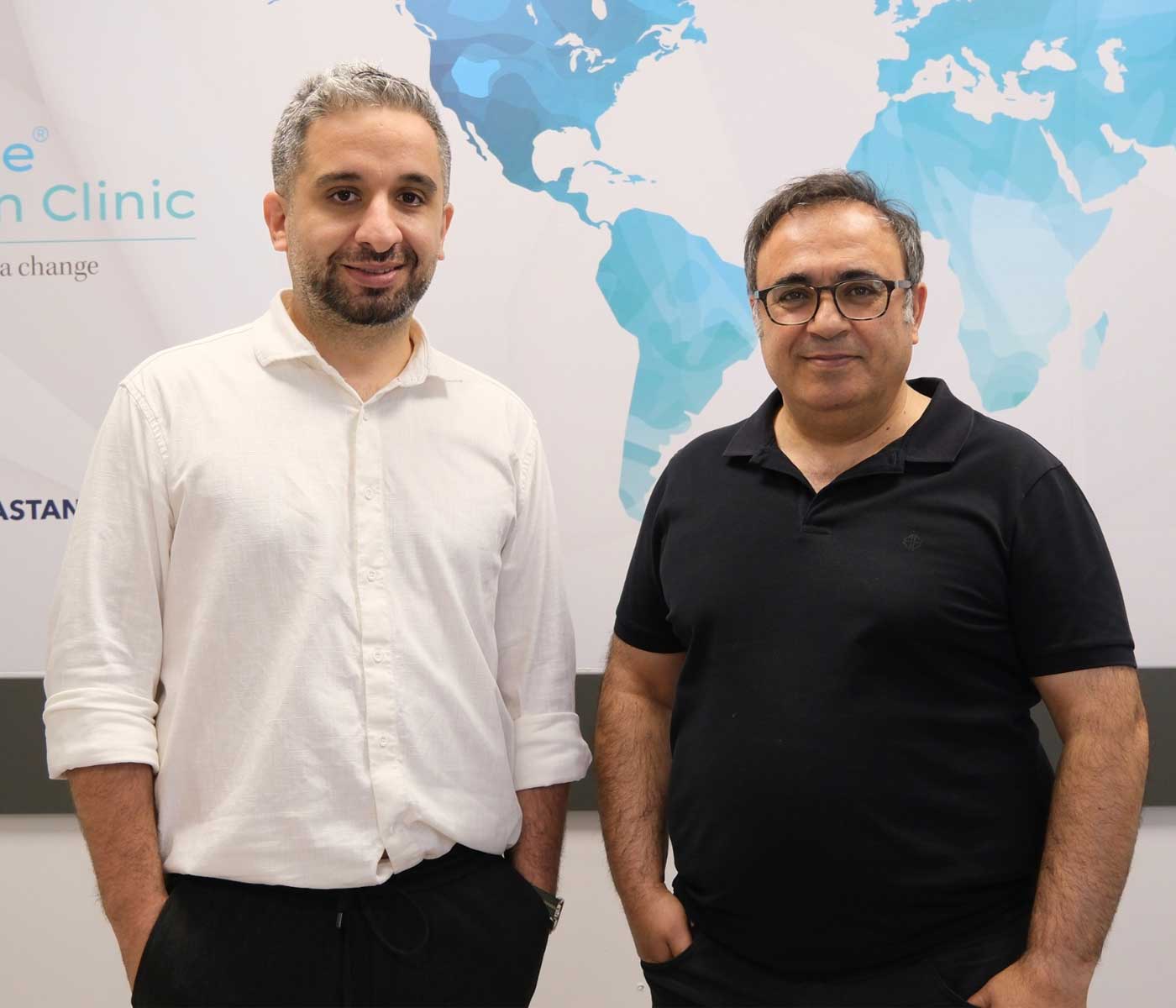
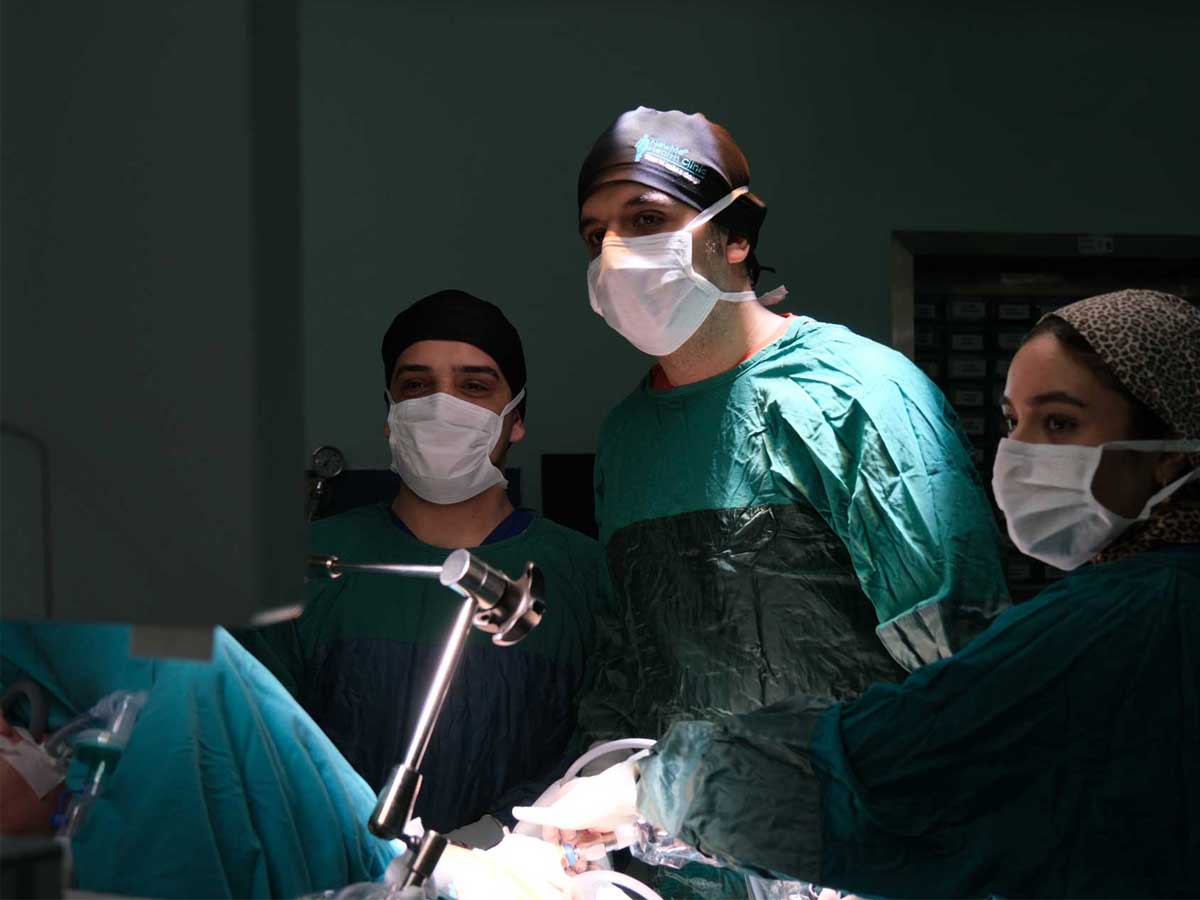
Your surgery is performed — not just supervised — by two of Turkey's most experienced bariatric surgeons: Prof Dr Nurullah Bulbuller and Dr Mani Habibi. From your first video consultation to your follow-up back in the UK, you'll know exactly who is looking after you.
Our surgeons
You'll know your surgeon by name
At many clinics abroad, patients meet their surgeon on the morning of the operation. We do the opposite: your surgeon reviews your file personally, speaks with you before you book, performs your operation, and sees you every day of your hospital stay.
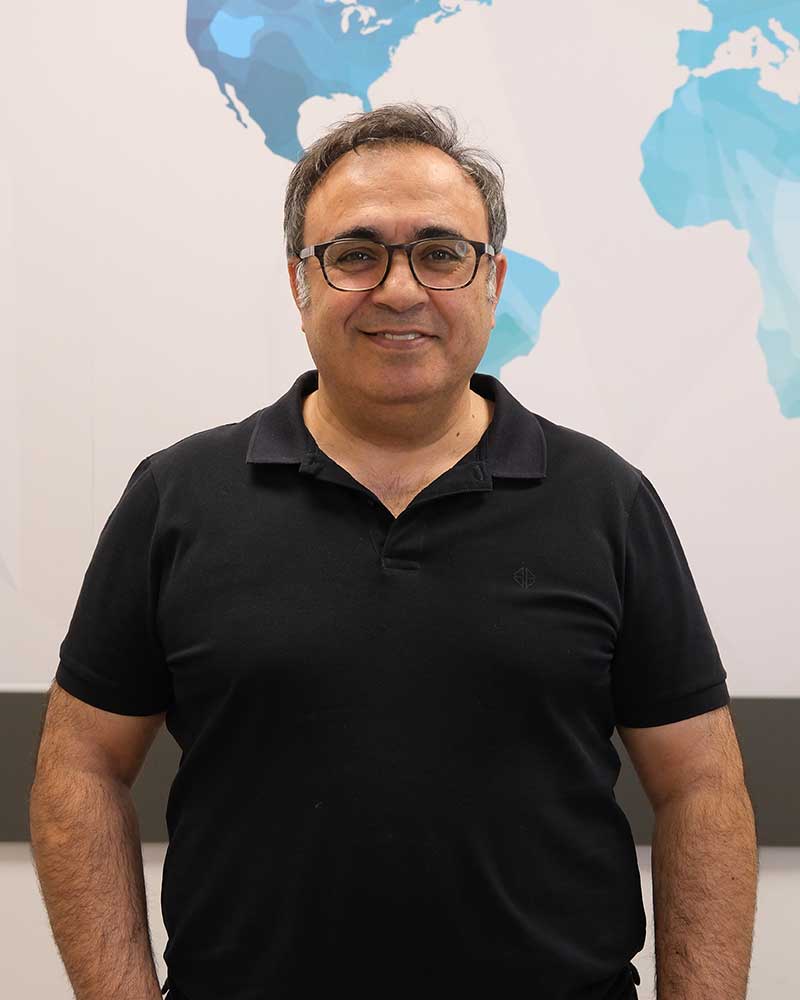
Prof Dr Nurullah Bulbuller
Professor of General Surgery · Bariatric & Metabolic Surgeon
A professor of general surgery with over three decades in the operating theatre, performing bariatric and metabolic surgery since 2007. Former clinic chief and chief physician at Antalya Training and Research Hospital, and Professor of Surgery at Akdeniz University Faculty of Medicine.
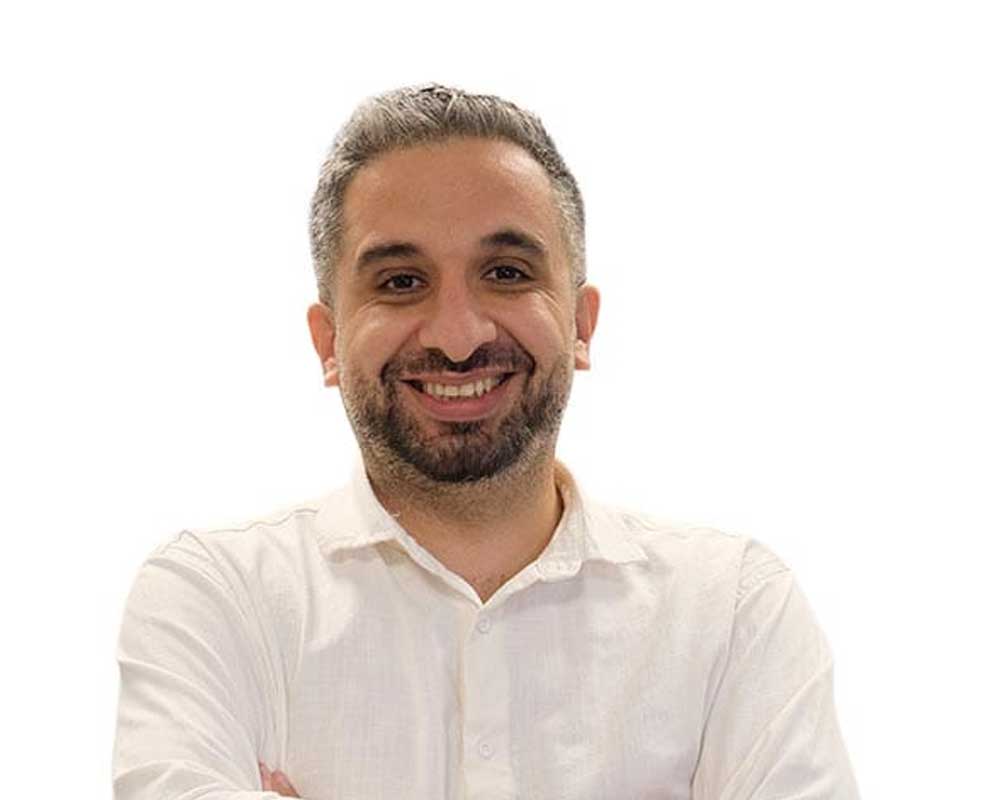
Dr Mani Habibi
Bariatric & Metabolic Surgeon · General Surgeon
Fellowship-trained at two of the world's best-known minimally invasive surgery centres — Cleveland Clinic Florida under Dr Raul Rosenthal, and Ponderas Academic Hospital under Dr Catalin Copaescu, supported by a competitive EAES scholarship.
General surgery
General surgery without the waiting list
Beyond bariatric surgery, our surgeons treat the conditions UK patients most often wait months for on the NHS — usually within two to three weeks of your first consultation, performed laparoscopically where appropriate.
- Gallbladder removal
- Hernia repair
- Reflux & hiatal hernia surgery
- Thyroid surgery
For UK patients
How it works, step by step
-
Free video consultation
You speak with our medical team and your surgeon reviews your history, BMI and medications.
-
Personal plan & fixed quote in £
No hidden extras — your package covers surgery, hospital stay, hotel, transfers and pre-op tests.
-
Fly to Antalya
Direct flights from most UK airports take around 4.5 hours. We meet you at the airport.
-
Surgery & recovery
Typically 3–4 nights in hospital and 2–3 nights in your hotel before flying home.
-
Aftercare back home
Scheduled video follow-ups, a dietitian-led nutrition programme, and a direct WhatsApp line to your care team.