
Bariatric surgery
Revision weight loss surgery in Turkey
Revision bariatric surgery corrects or converts a previous weight loss operation — most commonly turning a gastric sleeve into a bypass after weight regain or severe reflux. It's more demanding than first-time surgery, which is why it belongs with experienced hands: at NewMe Obesity Clinic, revisions are performed by surgeons who co-authored the chapter on post-bariatric complications in Turkey's first national bariatric surgery textbook.
Your situation, mapped
Common revision paths
The right revision depends on what was done before and what needs correcting. The most common paths we see:
| Previous procedure | Common problem | Typical revision option |
|---|---|---|
| Gastric sleeve | Weight regain or inadequate loss | Conversion to Roux-en-Y or mini gastric bypass |
| Gastric sleeve | Severe acid reflux (GORD) | Conversion to Roux-en-Y bypass — the reflux procedure of choice |
| Gastric sleeve | Stricture (narrowing) | Endoscopic treatment first; surgical correction where needed |
| Gastric band | Band slippage, erosion, intolerance or regain | Band removal, then conversion to sleeve or bypass |
| Gastric bypass | Weight regain over time | Pouch or anastomosis revision — carefully selected cases |
| Gastric balloon | Regain after balloon removal | Progression to definitive surgery (sleeve or bypass) |
Every path above is a starting hypothesis, not a promise — the final plan follows your endoscopy, imaging and previous operation records.
Why experience matters most here
Revision is a different discipline
Operating through scar tissue from a previous procedure is technically harder than first-time surgery, with moderately higher complication rates. That's not a reason to fear revision — it's a reason to choose who does it carefully.
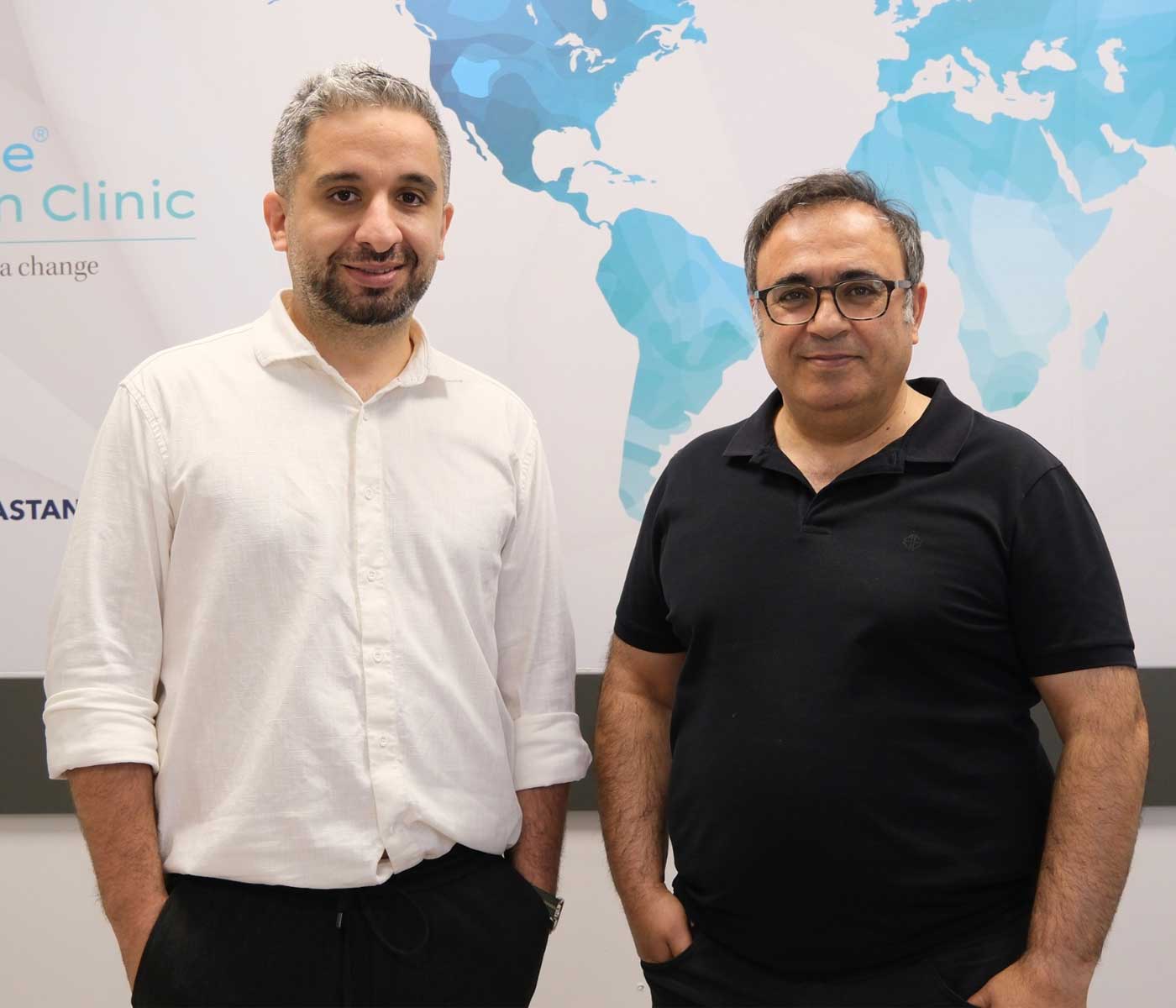
Our revision cases are led by Prof Bulbuller and Dr Habibi together: more than 18,000 bariatric procedures between them, published research on managing staple-line leaks, and the 2024 national textbook chapter on treating post-bariatric strictures — co-authored by both. When a complication field is one your surgeons have literally written about, improvisation is off the table.
Before any date is offered
How your case is assessed
- Your story first — what was done, when, and what's gone wrong since
- Previous records — operation notes from your original clinic where available (we help you request them)
- Endoscopy & imaging — to see your anatomy as it is now, not as it was planned
- An honest verdict — including "no surgery" or "dietitian-led reset first" when that serves you better
Your journey, day by day
From first message to flying home
You recover in hospital throughout your stay — round-the-clock nursing, daily surgeon visits, your companion welcome in your room. Revision weeks are planned with extra margin:
-
Before you travel
Video consultation with a surgeon; your previous operation records and any UK endoscopy or imaging reviewed; provisional plan and fixed quote in £ — confirmed only after on-site assessment.
-
Day 1 — Arrival
We meet you at Antalya Airport and bring you straight to the hospital, where you settle into your private room.
-
Day 2 — Assessment & final plan
Blood panel, imaging and — where indicated — endoscopy to map your current anatomy. Your surgeon confirms the revision plan with you in person before consent.
-
Day 3 — Surgery
Your revision is performed laparoscopically where feasible, with connections and staple lines tested before closure. First short walk the same evening.
-
Days 4–6 — Hospital recovery
A more gradual progression than primary surgery: liquids advance carefully, mobility builds daily, and your surgeon reviews you every morning under full monitoring.
-
Days 7–8 — Final checks & home
Discharge sign-off with medications, your staged diet plan, a supplement schedule matched to your new anatomy, and a full English report for your GP — then a private transfer to the airport.
-
At home — Follow-up that assumes nothing
Scheduled video reviews, dietitian guidance stage by stage, periodic blood monitoring, and a direct WhatsApp line — revision patients get the closest follow-up we run.

Flights, visa and travel details are in our UK patient guide.
Results
What revision can — and can't — promise
Outcomes vary more than in primary surgery, because starting points vary more. Sleeve-to-bypass conversion typically restores meaningful weight loss and is highly effective against reflux; band removals with conversion give patients the operation they arguably should have had first. What no honest clinic promises is a specific number — your surgeon will give you a realistic range for your anatomy at assessment.
Risks, honestly
The trade-off, stated plainly
Revision carries moderately higher risks than first-time surgery — leaks, bleeding and longer operations are all somewhat more likely when working through scar tissue. Our answer is the same layered approach as always: high-volume surgeons, testing before closure, a longer monitored hospital stay, and published expertise in exactly these complications. And where risk outweighs benefit, we say no — that's part of the service, not a failure of it.
Common questions
Frequently asked questions
Can a gastric sleeve be converted to a bypass?
Yes — it's the most common revision, typically for weight regain or severe reflux. The sleeve is converted to a Roux-en-Y or mini bypass after endoscopy and review of your original operation records confirm suitability.
Is revision surgery riskier than the first operation?
Moderately, yes — scar tissue makes it technically harder. That's exactly why revision belongs with high-volume surgeons whose published work covers post-bariatric complications.
My first surgery was at another clinic — will you take my case?
Yes. Many of our revision patients had their original operation elsewhere — in Turkey, the UK or beyond. We ask for your previous records where available, assess your case on its merits, and tell you honestly if revision isn't in your interest.
How do you decide which revision I need?
From three inputs: what was done before, what problem needs correcting, and what your anatomy shows now on endoscopy and imaging. The plan is confirmed with you in person before consent — never assumed in advance.
Is surgery the only answer to weight regain?
No. Modest regain often responds to a structured, dietitian-led reset — which we offer before recommending any operation. Revision is for significant, anatomically driven regain or accompanying problems like severe reflux.
Get started
Tell us what happened — we'll tell you what's possible
Share your previous procedure, when it was done, and what's troubling you now. A surgeon — not a salesperson — reviews your case and replies with an honest assessment, free and without obligation.
Related: Gastric Bypass · Gastric Sleeve · All bariatric procedures →